How to Choose the Best Shower Head Bracket for Your Needs?
Choosing the right Shower Head Bracket can greatly enhance your shower experience. According to industry expert Mark Johnson, “A good bracket ensures convenience and comfort.” With countless options available, it can be overwhelming to find the perfect one that meets your needs.
Consider factors like adjustability, durability, and design. The right bracket should not only hold the shower head securely but also offer adjustable settings for height and angle. Many people overlook the importance of material quality. A flimsy bracket can lead to leaks and breakages, which can be frustrating.
As you navigate your options, reflect on your personal preferences and shower habits. What works for one might not work for another. It's essential to align the features of a Shower Head Bracket with your unique routine. Take the time to evaluate your needs before making a choice. After all, a small investment in a quality bracket can significantly improve your daily shower experience.
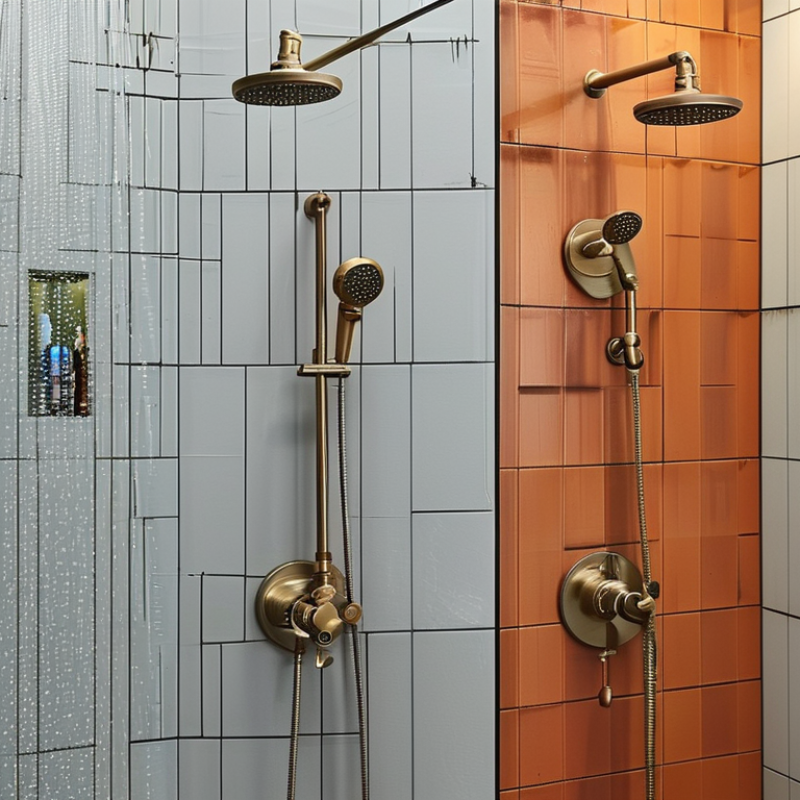
Understanding Different Types of Shower Head Brackets Available
Shower head brackets come in various types, each offering specific benefits and features. Many homeowners overlook this crucial element when upgrading their bathroom. A well-chosen bracket can enhance your shower experience significantly. According to a recent industry report, adjustable shower head brackets have gained popularity for their versatility and ease of use. These brackets allow for customizable height adjustments, accommodating different users.
When selecting a bracket, consider materials. Stainless steel and durable plastics are common. They provide stability and longevity. A study indicated that over 40% of users prefer metal options for their sturdiness. Plastic alternatives often come at a lower price but may wear out faster.
Tips: Aim for brackets that can support various mounting angles. This adaptability makes it easier for everyone in your household to find their desired height. Check for installations that fit standard shower pipes to avoid compatibility issues. It's crucial to ensure that the weight of the shower head is supported. If it’s too heavy, it could lead to bracket failure.
Ultimately, while aesthetics matter, functionality should be your priority when choosing a bracket. Always consider the dimensions and styles that best fit your existing setup. Recognizing that not all brackets provide the same level of support can save you future headaches.
Key Factors to Consider When Choosing a Shower Head Bracket
When choosing a shower head bracket, several key factors come into play. First, consider the material. Brackets made from stainless steel are durable and resistant to corrosion. Plastic is lighter and often less expensive but may not provide the same longevity. Each material has its pros and cons, so weigh these based on your bathroom's environment.
Next, think about the installation process. Some brackets require tools, while others can be installed easily by hand. This factor can greatly influence your decision, especially if you prefer a straightforward setup. Pay attention to how adjustable the bracket is. Flexibility can enhance your shower experience, allowing you to find the perfect angle.
Lastly, keep in mind the weight capacity. A sturdy bracket should support the weight of your shower head without sagging. Excessive movement can lead to wear and tear over time. Reflect on your needs and usage patterns. Sometimes, people overlook details that may seem minor but could impact their daily routine. Choosing the right bracket is about balancing function with personal preference.
Material and Durability: Which Options Are the Best?
Choosing the right material for your shower head bracket is crucial for durability and functionality. Common materials include plastic, brass, and stainless steel. Plastic is lightweight and resistant to rust but may not hold up well over time. Brass offers sturdiness and corrosion resistance but can be heavier and may require more maintenance. Stainless steel combines durability with a sleek appearance, making it a popular choice. According to industry reports, stainless steel brackets have shown a 30% longer lifespan compared to plastic ones.
Consider the weight of your showerhead when selecting a bracket material. If your showerhead is heavy, opt for a metal option. A weak bracket could lead to accidents or damage to your wall. Furthermore, coatings or finishes matter too. Look for options with protective coatings to prevent tarnishing and scratching.
**Tip:** Always read installation instructions carefully to ensure your bracket is secure. This helps you avoid potential leaks or falls. Regularly check your bracket for any signs of wear and tear.
**Tip:** If you notice rust or instability, replace the bracket promptly. It’s safer and can prevent more costly repairs later. Remember, a little maintenance goes a long way in prolonging the life of your shower installation.
How to Choose the Best Shower Head Bracket for Your Needs? - Material and Durability: Which Options Are the Best?
| Material | Durability Rating | Rust Resistance | Weight Capacity | Price Range |
| Stainless Steel | High | Excellent | Up to 10 lbs | $20 - $50 |
| Plastic | Moderate | Fair | Up to 5 lbs | $10 - $25 |
| Brass | Very High | Excellent | Up to 15 lbs | $30 - $70 |
| Aluminum | High | Good | Up to 8 lbs | $15 - $40 |
Installation Process: What to Know Before You Start
When considering the installation of a new shower head bracket, understanding the process is vital. The first step is assessing your existing plumbing and wall type. Most homes have either tile or drywall, which affects the mounting strategy. According to industry statistics, nearly 40% of installation issues stem from improper wall preparation. Always check for any electrical wires or plumbing behind your walls before drilling.
Preparation is crucial. Use a stud finder to locate support beams. If you're installing on drywall, it might be necessary to use wall anchors. These anchors provide additional support, especially for heavier shower heads. Remember, more than a third of homeowners report leaks after improper installation. Taking time to ensure secure anchoring can prevent future issues and save money.
**Tip:** Always wear safety goggles when drilling. Debris can fly unexpectedly.
After you've installed your bracket, perform a water test. Check for leaks around the fittings. If you notice any, re-tighten connections to prevent water damage. Keep in mind that installation often isn't perfect. Mistakes can happen, such as misalignment, which may require adjustments. Reflecting on the process can lead to better practices in future installations.
Budgeting Wisely: How Much to Spend on a Shower Head Bracket
When selecting a shower head bracket, understanding your budget is crucial. Professional estimates indicate that a decent quality shower head bracket can range from $15 to $50. While a lower price might be tempting, it could lead to compromises in durability and functionality. Industry reports reveal that spending around $30 offers a balance between quality and affordability, providing good performance without breaking the bank.
Consider material and design when budgeting. Metal brackets often last longer than plastic but may come at a higher cost. According to a survey of consumer preferences, 70% of buyers now lean towards choosing sturdier options despite the additional expense. It reflects a shift towards valuing longevity over initial savings. However, it’s essential to evaluate how often you’ll use it. If infrequent, a cheaper option could suffice.
Don’t overlook additional costs. Installation supplies, such as screws or sealants, may add to your overall expenditure. On average, these extras can range from $5 to $15. This additional spending could push your total closer to $50, but strong brackets enhance your shower experience. Reflect on whether those extra dollars improve your daily routine. Investing wisely will ultimately lead to a more satisfying purchase.
Shower Head Bracket Budgeting: A Guide to Spending Wisely