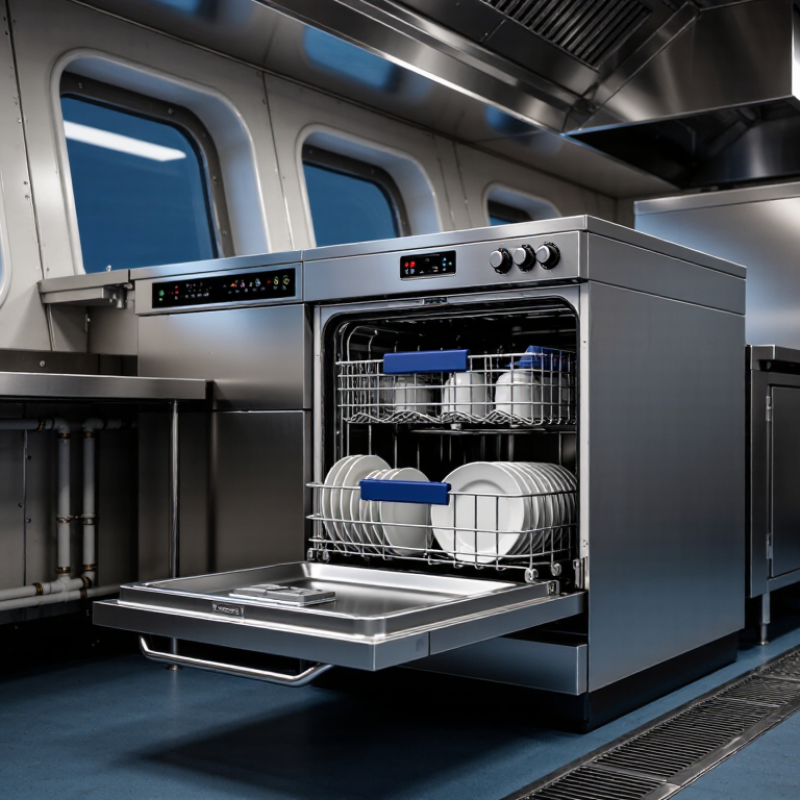
China Top Marine Dishwasher Suppliers for Global Buyers

Choosing a reliable Marine Dishwasher supplier can shape galley efficiency, crew comfort, and long-term operating costs. For global buyers, China offers a broad manufacturing base, from compact under-counter units to high-capacity conveyor systems. Yet product variety can create uncertainty. A polished brochure does not always reveal cleaning performance, spare-parts access, or after-sales discipline.

This guide examines China’s top Marine Dishwasher suppliers through practical purchasing criteria. It considers stainless-steel construction, corrosion resistance, freshwater consumption, noise levels, heat recovery, and installation space. Details matter. A dishwasher installed beside a narrow galley passage needs different planning than one serving a large offshore vessel. Rack dimensions, door clearance, drainage height, and electrical compatibility should be checked before ordering.

Testing evidence is equally important. Experienced buyers should request factory inspection records, performance data, warranty terms, and clear documentation for export installation. Supplier audits can reveal welding quality, assembly consistency, and the availability of pumps, filters, heaters, and control boards. Certifications deserve careful review too. Their relevance depends on the vessel type, destination, and applicable technical requirements.

No supplier is perfect.

Even experienced procurement teams can miss hidden costs. Freight packaging, commissioning, crew training, and replacement parts may affect the final budget. Communication can also become difficult across languages and time zones. This overview therefore balances supplier strengths with potential limitations. It aims to help shipowners, marine caterers, and distributors compare manufacturers with greater confidence, realistic expectations, and a stronger focus on dependable service.

China Top Marine Dishwasher Suppliers for Global Buyers

Marine Dishwasher Market in China: Scope and Product Categories

China’s marine dishwasher market serves commercial ships, offshore platforms, ferries, and coastal hospitality vessels. Suppliers commonly offer undercounter, hood-type, flight-type, and pot-washing machines. Compact units suit small galleys with limited floor space. Larger rack systems support continuous meal service and reduce manual washing time.

Product selection depends on vessel layout, crew size, water quality, and operating schedule. Marine models often use corrosion-resistant stainless steel, reinforced doors, vibration-resistant frames, and controlled rinse temperatures. Buyers should confirm voltage, frequency, drainage height, freshwater consumption, noise levels, and spare-part availability. Some units support heat recovery or low-water programs, but actual savings require testing under real galley conditions. A catalog figure can mislead.

Tips: Request factory test records, material certificates, electrical documents, and cleaning-performance data. Check whether the supplier understands marine installation constraints, not only restaurant equipment. Ask for sample racks and a service response plan before signing. Inspect welding, seals, hinges, and pump access carefully. Small defects become expensive at sea. Independent verification is wise, although it adds time and cost. Consider classification or vessel-specific requirements early, because late changes may affect installation drawings and delivery schedules.

Key Features of Marine Dishwashers for Shipboard Operations

China Top Marine Dishwasher Suppliers for Global Buyers

Marine dishwashers must perform reliably in narrow galleys, rough seas, and changing electrical conditions. Their compact design saves valuable floor space. Rounded internal corners also make cleaning faster and reduce food residue.

Corrosion-resistant stainless steel helps the machine withstand salt air and frequent washing. Powerful spray arms remove grease from plates, trays, and cooking utensils. Multi-stage filters protect pumps from scraps. Low-water programs reduce freshwater demand, which matters during long voyages. Heat recovery can shorten drying time and improve energy use. Still, performance depends on correct installation and regular filter cleaning.

Stable operation is essential.

Anti-vibration feet help maintain balance when the vessel moves. Secure door locks prevent accidental opening during operation. Thermal protection and automatic shutoff improve crew safety. Clear control panels help workers respond quickly, even during busy meal periods. Adjustable racks can handle different dish sizes, but overloaded racks may block water flow. This small mistake is common onboard.

Noise control also deserves attention. Excessive sound can disturb nearby cabins and working areas. Buyers should check voltage, frequency, drainage height, spare-part access, and after-sales support before selection. A dishwasher may look efficient on paper, yet daily maintenance often decides its real value. Crew feedback should guide future equipment choices.

China Top Marine Dishwasher Suppliers for Global Buyers - Key Features of Marine Dishwashers for Shipboard Operations

Evaluation Dimension Typical Marine Dishwasher Data Shipboard Operational Importance Recommended Buyer Checklist
Primary Application Commercial galleys, offshore vessels, passenger ships, cargo vessels, research vessels, and naval support vessels. Equipment must match the vessel’s crew size, meal volume, galley layout, and operating schedule. Confirm the intended vessel type, daily meal periods, available installation space, and expected dishware mix.
Machine Configuration Common configurations include undercounter, hood-type, pass-through, rack conveyor, and flight-type systems. Different configurations support different galley footprints and washing volumes. Measure doorways, service corridors, deck access, ceiling height, and required loading direction before selection.
Typical Throughput Undercounter units: approximately 30–60 racks per hour; hood-type units: approximately 40–80 racks per hour; conveyor systems: commonly 100 racks per hour or more. Throughput affects how quickly the galley can return clean tableware to service during peak meal periods. Compare the rated capacity with actual peak demand rather than relying only on the maximum published figure.
Wash Cycle Time Many commercial marine units operate with wash cycles of approximately 60–120 seconds, depending on the selected program and soil level. Short cycles help reduce dishware shortages and limit galley workflow interruptions. Check standard, intensive, economy, and heat-sensitive programs, including the actual duration of each cycle.
Wash Temperature Commercial warewashing systems commonly use wash water in the approximate range of 55–65°C. A suitable wash temperature supports grease removal while helping protect tableware and wash-system components. Verify the temperature range recommended by the detergent supplier and the equipment manufacturer.
Final Rinse Temperature High-temperature sanitizing models commonly use a final rinse of approximately 80–85°C, subject to local regulations and equipment design. Final-rinse temperature is an important sanitation-control parameter for food-service operations. Confirm the required sanitation method, rinse-temperature monitoring, booster-heater capacity, and local maritime or catering rules.
Water Consumption Typical fresh-water consumption may range from approximately 2–4 liters per rack for efficient commercial systems, while larger or older designs may use more. Lower water demand helps reduce freshwater production, storage, heating, and wastewater loads on board. Request water consumption per rack or per cycle under defined test conditions, not only an annual estimate.
Electrical Supply Marine installations may be configured for common shipboard supplies such as 220–240 V or 380–440 V, with 50 Hz or 60 Hz operation depending on the vessel. Electrical compatibility is essential because shipboard voltage, frequency, phase, and short-circuit conditions vary. Match voltage, phase, frequency, rated current, breaker requirements, and available shore-power arrangements to the vessel specification.
Heating Method Available options generally include electric tank heating, electric booster heating, and external hot-water supply. The heating method influences peak electrical demand, installation complexity, and recovery time between cycles. Compare total connected load, hot-water availability, heating recovery rate, insulation, and energy-management requirements.
Construction Materials Food-contact and exposed wet-area components are commonly manufactured from corrosion-resistant stainless steel, often including AISI 304; AISI 316 may be selected for more aggressive marine environments. Corrosion resistance improves service life in humid, salty, and frequently washed shipboard conditions. Verify the stainless-steel grade used for the tank, panels, wash arms, fasteners, and other corrosion-prone components.
Marine-Suitable Design Useful features include reinforced frames, secure panel fasteners, adjustable leveling feet, compact service access, protected controls, and provisions for vibration management. Ships experience vibration, movement, limited access, and space constraints that are uncommon in ordinary land-based kitchens. Ask for installation drawings, mounting recommendations, vibration considerations, and equipment operating limits.
Detergent and Rinse-Aid System Many systems support automatic dosing pumps for liquid detergent and rinse aid, with adjustable dosing settings. Automatic dosing improves consistency and helps prevent excessive chemical use or poor washing results. Confirm chemical compatibility, pump calibration, hose routing, container access, and availability of replacement parts.
Filtration and Soil Management Common features include removable tank filters, scrap screens, pump protection filters, and wash-water recirculation systems. Effective filtration protects pumps and wash arms while maintaining cleaning performance during repeated cycles. Check filter access, cleaning frequency, spare-filter availability, and procedures for heavy food-soil conditions.
Noise and Working Environment Commercial dishwashers are often designed for enclosed galley operation, with noise levels depending on the model, enclosure, pump, and installation method. Lower noise improves communication and working comfort in compact crew and passenger areas. Request a measured sound-pressure value in dB(A), including the distance and operating condition used for testing.
Drainage Requirements Drain systems may use gravity drainage or a built-in drain pump, depending on the machine position and vessel plumbing layout. Correct drainage prevents standing water, odor, backflow, and interruptions to galley operations. Confirm drain height, drain diameter, pump capacity, backflow prevention, and compatibility with the vessel’s wastewater system.
Control and Monitoring Modern units may provide digital temperature displays, cycle indicators, fault codes, low-chemical alerts, and programmable operating modes. Clear monitoring supports sanitation records, troubleshooting, and consistent daily operation. Evaluate display readability, password protection, data logging, alarm functions, and ease of use with wet gloves.
Cleaning and Maintenance Preferred features include tool-free filter removal, rounded internal corners, removable wash arms, accessible tanks, and automatic self-cleaning programs. Simple maintenance reduces downtime and helps maintain hygiene in continuous shipboard service. Request daily, weekly, and periodic maintenance schedules together with estimated service time and consumable requirements.
Safety Provisions Typical provisions include door or hood interlocks, over-temperature protection, emergency stop arrangements where applicable, and electrical protection suitable for the installation. Safety controls reduce risks from hot water, steam, moving components, and electrical faults. Review the risk assessment, protective devices, grounding requirements, emergency procedures, and installation clearances.
Wastewater and Environmental Considerations Efficient operation can reduce freshwater use, detergent consumption, energy demand, and the volume of wash-water discharged from the galley. Resource efficiency is particularly valuable on vessels with limited freshwater-generation and wastewater-treatment capacity. Request verified water and energy data, chemical-dosing information, and guidance for onboard wastewater handling.
Documentation for Global Buyers Important documents may include technical datasheets, wiring diagrams, plumbing diagrams, spare-parts lists, operation manuals, maintenance instructions, and packing details. Complete documentation supports installation, vessel approval, crew training, maintenance, and international logistics. Require English documentation and confirm whether project-specific drawings and certificates can be supplied before shipment.
Spare Parts and Service Support Critical spare parts commonly include heating elements, pumps, thermostats, solenoid valves, door seals, wash arms, filters, dosing pumps, and control components. Rapid access to parts reduces downtime when the vessel is operating far from the original point of supply. Check recommended onboard spare-parts kits, lead times, remote technical support, warranty terms, and service coverage.
Supplier Qualification Criteria Relevant evaluation factors include marine installation experience, production quality control, customization capability, documentation quality, testing procedures, and after-sales response. A technically suitable machine can still create operational risk if the supplier cannot support installation and long-term maintenance. Compare technical compliance, factory testing, delivery capability, warranty conditions, spare-parts planning, and total cost of ownership.

Note: Performance figures are representative commercial ranges. Actual values depend on the dishwasher configuration, rack size, wash program, water temperature, electrical supply, tableware soil level, and vessel installation conditions.

How to Evaluate China-Based Marine Dishwasher Suppliers

China Top Marine Dishwasher Suppliers for Global Buyers

How to Evaluate China-Based Marine Dishwasher Suppliers

Evaluating China-based marine dishwasher suppliers requires more than comparing prices. Check their experience with ships, offshore platforms, and compact galley installations. Ask for recent project references, factory photographs, and test records. A polished catalog proves little.

Review the machine’s construction carefully. Marine environments demand corrosion-resistant materials, secure doors, and reliable drainage. Confirm whether key wet-area components use 316L stainless steel or an equivalent grade. Match voltage, frequency, water pressure, and electrical protection with the vessel’s specifications. Small mismatches create expensive installation delays.

Request evidence of quality control at several stages. Useful documents include material certificates, electrical test reports, leak-test records, and factory acceptance procedures. Ask how the supplier checks wash temperature and final rinsing performance. Do not accept vague answers. A live video inspection can reveal workmanship, wiring quality, and packing methods. It is not perfect, but it helps.

Service capability deserves equal attention. Confirm spare-part availability, response times, installation guidance, and remote troubleshooting. Ask for a clear parts list with model numbers and replacement intervals. Some suppliers communicate well before payment, then respond slowly after delivery. That risk deserves direct questions. A trial order or witnessed factory test may expose weaknesses before a full fleet purchase. Reliability grows from evidence, not promises.

How to Evaluate China-Based Marine Dishwasher Suppliers

Use a weighted evaluation model to compare suppliers on marine suitability, compliance, operating efficiency, and long-term support. The percentages below represent a practical procurement scoring framework rather than company or brand performance data.

Supplier Comparison: Certifications, Capacity, Pricing, and Support

China’s top marine dishwasher suppliers should be compared beyond catalogue prices. UNCTAD’s Review of Maritime Transport reports that over 80% of global merchandise trade by volume moves by sea. This scale makes reliable galley equipment important on cargo ships, ferries, and offshore vessels. Buyers should request CE documentation, electrical safety test reports, ISO 9001 quality records, and food-contact compliance evidence. Certification claims need verification.

Capacity is often clearer through factory audits than brochures. Ask for monthly output, stainless-steel grades, wash-temperature records, and spare-parts inventory. A supplier producing 100 units monthly may offer more stable delivery than a larger-looking trader. Check whether each unit is tested with commercial detergent and hard-water conditions. Small details matter. Port delivery can expose weak packaging.

Pricing should include freight, installation guidance, replacement pumps, and technician response time. Industry cost studies commonly show that equipment purchase is only part of lifecycle expense, while energy, water, and maintenance strongly affect operating budgets. Compare a three-year ownership estimate, not only the invoice. Support promises may sound excellent, but response times should be written into the contract. The International Maritime Organization’s efficiency agenda also supports evaluating water and energy consumption, although marine kitchen equipment is rarely measured separately. That gap deserves caution. A cheaper dishwasher may still cost more after repeated filter failures and delayed parts.

Global Purchasing Steps for Marine Dishwasher Buyers

Global purchasing should begin with vessel conditions, not a supplier catalogue. Define dish loads, crew size, daily cycles, available voltage, freshwater pressure, drain height, and installation space. A galley dishwasher designed for shore power may fail on a vessel with unstable electricity. It happens.

UNCTAD’s Review of Maritime Transport 2024 states that over 80% of global merchandise trade moves by sea. This scale makes reliable galley equipment operationally important. Buyers should request verified water and energy consumption, cycle time, noise levels, corrosion resistance, and spare-parts availability. Check compliance with relevant marine electrical requirements, including IEC 60092 series standards, and confirm food-equipment hygiene requirements such as NSF/ANSI 3 where applicable. Ask for test records, not only declarations.

When comparing Chinese suppliers, issue one detailed RFQ to several factories. Require drawings, material grades, control-system details, packing dimensions, warranty terms, and commissioning support. Factory audits or live video inspections can reveal welding quality, drainage design, and testing discipline. The IMO 2023 GHG Strategy targets net-zero emissions from international shipping by around 2050, with 2030 and 2040 reduction checkpoints. Efficient washing equipment supports this direction, but its real impact depends on loading habits and water heating. A polished brochure cannot prove lifecycle savings. Buyers should calculate total ownership cost, including freight, installation, detergent compatibility, downtime, and replacement parts. That calculation is often incomplete. Recheck it before signing.

1 5