
What Are the Top Office Water Dispensers Worldwide?

Choosing the top Office Water Dispenser worldwide requires more than comparing prices or polished product photos. A reliable unit should deliver clean, cold, and hot water throughout a busy workday. It must also suit the office size, plumbing setup, budget, and maintenance capacity.

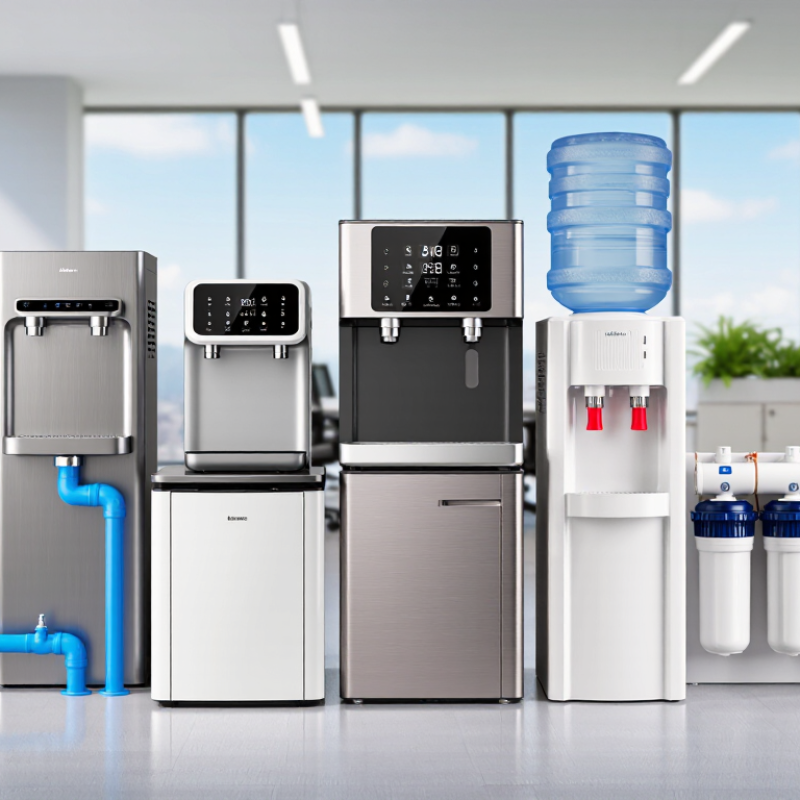
This guide examines leading dispenser types used in offices, including bottleless systems, countertop units, floor-standing models, and filtration dispensers. Each option has practical strengths. Bottleless machines can reduce plastic waste, while bottled models may work better where plumbing access is limited. Key evaluation points include filtration quality, temperature control, dispensing speed, noise levels, energy use, sanitation features, and replacement-filter costs.

Small details matter. A crowded reception area needs a compact footprint. A warehouse may require a stronger flow rate. Shared touch points also deserve careful cleaning plans. Models with touchless activation can improve convenience, but sensors may respond slowly or fail in unusual lighting. No ranking is perfect. Performance can change with local water quality, installation standards, and service availability.

The recommendations in this article draw on product specifications, user experience, commercial purchasing considerations, and guidance from established water-safety authorities. Readers should verify certifications, warranty terms, filter compatibility, and local compliance requirements before buying. A low purchase price can mislead. Long-term reliability often depends on maintenance discipline, not advertising claims. This comparison aims to make that decision clearer, while acknowledging that the best Office Water Dispenser is the one that fits a workplace’s real daily demands.
What Are the Top Office Water Dispensers Worldwide?

Defining Office Water Dispensers and Their Main Types

An office water dispenser provides convenient drinking water in shared workplaces. Most units filter, cool, heat, or dispense water on demand. They can reduce disposable bottle use and shorten breaks around kitchen sinks. However, convenience does not guarantee cleanliness. The machine needs regular cleaning, filter replacement, and clear maintenance records. In my assessment, reliability matters more than appearance, especially during busy afternoons.

The main types include point-of-use, bottle-fed, countertop, and floor-standing dispensers. Point-of-use models connect directly to a building’s water supply and usually include internal filtration. Bottle-fed units use large refillable containers, making installation easier in older offices. Countertop designs suit small teams and limited kitchens. Floor-standing models often offer chilled, ambient, and hot water together. Some newer systems include touchless sensors, but sensors may respond slowly or fail when surfaces become dusty. No system is perfect.

Tips: Check the water source, filter specifications, noise level, and cleaning access before choosing. Place the dispenser away from heat and heavy foot traffic. Ask who will record maintenance dates. Test the cup-filling speed during peak hours. A unit that looks efficient may still create queues. Also, review accessibility for shorter users and employees with limited mobility.

Key Features That Distinguish High-Quality Dispensers

What Are the Top Office Water Dispensers Worldwide?

High-quality office water dispensers do more than provide cold or hot water. They combine reliable filtration, safe materials, stable temperature control, and simple maintenance. During office evaluations, I check the water taste after several hours, not just immediately after installation. A strong unit should also offer leak detection, child safety controls, and clear filter replacement alerts. Quiet operation matters too. A noisy compressor can disturb meetings and focused work.

Tips: Place the dispenser near a sink, but not directly beside heavy foot traffic. Check the filter’s testing documents before purchase. Measure the space carefully, including ventilation clearance. Clean the drip tray weekly. Small details prevent larger problems.

Energy efficiency deserves close attention. Insulated tanks, sleep modes, and efficient cooling systems can reduce daily electricity use. Touchless dispensing may improve hygiene in busy offices, but sensors can misread cups. That limitation is easy to overlook. Look for sturdy taps, washable surfaces, and replacement parts that remain available in your region. Local water conditions also matter; hard water may require more frequent cleaning. A premium dispenser is not automatically the best choice. Performance depends on servicing, staff habits, and consistent cleaning. Reliability is built over time.

Leading Office Water Dispenser Brands and Models Worldwide

Leading office water dispenser brands and models worldwide now compete on filtration, energy use, hygiene, and service coverage. The strongest global lineups include bottleless point-of-use units, countertop reverse-osmosis systems, and floor-standing hot-and-cold models.

Offices with 20 to 100 employees often prefer direct-connect dispensers. They remove storage problems and reduce delivery traffic.

The World Health Organization and UNICEF reported in 2023 that 2.2 billion people lacked safely managed drinking water in 2022.

That figure makes filtration claims worth checking carefully. NSF-certified components, documented replacement intervals, and local technician support matter more than a glossy touchscreen. Grand View Research’s 2024 market analysis identified homes and offices as important demand centers for water dispensers. However, market estimates vary by definition and region. Treat them as directional, not absolute.

Tips: Match capacity to peak breaks, not average use. Check the chiller’s liters-per-hour rating. For sparkling models, confirm cylinder availability and ventilation space. A practical test is simple: run the unit during the busiest hour and measure refill speed, noise, and water temperature. I would also inspect the drain area, because small leaks often escape attention. Some models look efficient but consume more power while maintaining very cold water. That detail deserves a second review.

Comparing Filtration, Cooling, Heating, and Dispensing Systems

What Are the Top Office Water Dispensers Worldwide?

Comparing Filtration, Cooling, Heating, and Dispensing Systems

Office water dispensers differ widely in filtration, temperature control, hygiene, and service requirements. A strong choice begins with the building’s water quality, not appearance.

Activated carbon filters can reduce chlorine, odors, and unpleasant tastes. Reverse osmosis removes many dissolved substances, but it may also reduce beneficial minerals. An independent water test helps determine which system is suitable. Filter capacity matters too. A small office may need replacement every six months, while a busy workplace may require more frequent servicing.

Cooling performance matters during summer and high-use periods. Compressor-based systems usually deliver colder water than thermoelectric units, although they can create more noise. Heating systems should provide stable temperatures for tea, instant meals, and cleaning tasks. Safety locks are essential where children or visitors may access the dispenser. Energy-saving modes can lower electricity use during empty office hours.

Dispensing design affects daily convenience. Touchless sensors reduce contact, but they can respond slowly or activate accidentally. Push-button controls feel more predictable. Small drip trays matter. They prevent wet floors near meeting rooms and shared kitchens. Maintenance records, leak protection, and clearly dated filter changes show responsible operation. Some specifications look impressive, yet real performance can decline when filters are neglected. That weakness deserves honest attention during purchasing.

Choosing the Best Water Dispenser for Different Office Needs

Choosing an office water dispenser starts with daily behavior, not glossy features. Count users, peak breaks, available floor space, and distance to the nearest sink. A ten-person studio may need a compact countertop unit. A busy call center needs faster recovery and a larger reservoir. Plumbed-in units reduce refill work but require qualified installation and suitable water access. Bottle-fed models suit rented offices, although storage becomes an everyday concern. That detail matters.

For shared workplaces, look for chilled and ambient options, simple controls, and a drip tray that removes easily. If staff prepare tea, a reliable hot-water setting can reduce trips to the kitchen. However, hot outlets need clear warning labels and child-resistant protection in family-facing workplaces. Filtration should match local water conditions, not marketing language. Ask for tested performance data, replacement intervals, and clear maintenance instructions. A dispenser is only hygienic when someone actually cleans its contact points.

I once focused too much on capacity and overlooked noise. The machine sounded harmless during a quiet demonstration, then became distracting beside a meeting room. Check operating sound during busy periods. Measure cup clearance, cable placement, and cleaning access before purchase. Assign a named person to inspect filters, sanitize touch surfaces, and record service dates. Without ownership, even a well-designed unit can become unreliable. The best choice balances hydration, workload, safety, and the office’s less obvious routines.

What Are the Top Office Water Dispensers Worldwide? - Choosing the Best Water Dispenser for Different Office Needs

Dispenser Type Water Supply Cooling Method Typical Output Filtration Options Installation and Space Best Office Application Main Considerations
Point-of-Use Bottleless Cooler Direct connection to the building’s potable-water line Compressor cooling is common; thermoelectric cooling is used in smaller units Usually suitable for approximately 10–50 regular users, depending on recovery rate Carbon, sediment, and optional membrane filtration; ultraviolet treatment may be available Requires a water connection, drain or drip-tray management, and nearby electrical power Medium to large offices Reduces bottle handling and storage, but filter replacement and sanitation must be scheduled
Top-Loading Bottled Dispenser Replaceable bottled water container, commonly around 11–19 litres Compressor cooling is widely used Generally suitable for approximately 5–30 users, depending on bottle size and refill frequency Usually relies on treated bottled water rather than an internal filter Freestanding; needs clearance above the unit for bottle loading and a stable floor Small and medium offices Simple to install, but full bottles are heavy and require delivery, lifting, and storage space
Bottom-Loading Bottled Dispenser Replaceable bottled water container, commonly around 11–19 litres Compressor cooling is common Generally suitable for approximately 5–30 users, depending on bottle size and recovery rate Usually relies on treated bottled water; some models include an internal carbon filter Freestanding; front-loading cabinet avoids lifting the bottle above shoulder height Accessibility-focused offices Easier bottle replacement than top-loading designs, but the cabinet uses more floor space and needs ventilation
Countertop Bottleless Dispenser Direct connection to the potable-water line Thermoelectric cooling is common; compact compressor systems are also available Usually suitable for approximately 2–15 users, depending on the model Carbon and sediment filters are common; reverse osmosis may be included Requires a reinforced counter, water connection, and electrical outlet Small offices and reception areas Saves floor space, but counter height, plumbing access, and drip-tray capacity must be checked
Hot-and-Cold Dispenser Bottled or direct-connect water supply Compressor cooling for cold water; insulated electric heating tank for hot water Typically suitable for approximately 5–30 users, depending on hot-water recovery capacity Depends on the water source; filtration is more common in direct-connect versions Needs electrical power; hot-water models require child-safety protection and ventilation clearance General-purpose workplaces Provides beverage convenience, but heating increases energy use and hot outlets require safety controls
High-Capacity Floor-Standing Unit Usually direct-connect; some versions use large refillable reservoirs High-capacity compressor cooling Designed for approximately 30–100+ users, subject to incoming water pressure and recovery rate Multi-stage filtration may include sediment, carbon, and membrane treatment Requires dedicated floor space, plumbing, drainage provisions, and reliable electrical power Large offices and shared facilities Handles peak demand better, but has higher purchase, installation, sanitation, and maintenance requirements
Sparkling-Water Dispenser Usually direct-connect filtered water Chilled water system with carbon-dioxide injection Best for approximately 10–50 users, depending on carbonation and chilling recovery Typically uses sediment and carbon filtration before carbonation Requires water, electricity, ventilation, and a replaceable carbon-dioxide cylinder or supply line Hospitality and premium offices Adds beverage variety, but requires cylinder management, sanitation, and additional operating costs
Room-Temperature Filtered Dispenser Direct-connect or refillable reservoir No active cooling system Suitable for approximately 5–50 users, depending on reservoir and flow rate Commonly uses sediment and carbon filtration; advanced membrane systems are optional Lower installation complexity; requires counter or floor space and filter access Low-energy workplaces Usually consumes less energy than chilled units, but it does not provide cold water during warm conditions

Data shown are typical market ranges and design characteristics rather than specifications for a particular manufacturer. Actual capacity, temperature, filtration, energy use, dimensions, and maintenance intervals vary by model, water quality, ambient temperature, and usage pattern.

1 5