
MENU
A Sleeping Bag Blanket combines the warmth of a sleeping bag with the openness of a camping blanket. It usually has insulated fabric, a footbox, and snaps or zippers. These features let campers wrap it around their shoulders or secure it around their body. Unlike a traditional sleeping bag, it does not always enclose the entire sleeper. More freedom. Less restriction.
Outdoor gear expert Chris Townsend describes this design clearly: “A good sleeping system should match the conditions, not simply follow fashion.” That idea matters when choosing a Sleeping Bag Blanket. A warm summer model may feel comfortable beside a mild lake. It may fail on a cold, windy mountain night. Check the insulation type, temperature rating, shell fabric, packed size, and closure system before buying. Down insulation packs small and feels light. Synthetic insulation usually handles damp conditions better.
The design is useful for car camping, van travel, festivals, and relaxed campsite evenings. Imagine sitting beside a fire with the blanket around your shoulders, then closing it when the temperature drops. However, the open shape can allow drafts. Some models also slide away during restless sleep. I once assumed extra width always meant extra comfort. That was not entirely true. Poorly placed snaps can create cold gaps, while excessive fabric can feel difficult to control. A suitable Sleeping Bag Blanket should balance warmth, movement, weight, and weather protection. Its best feature is flexibility. Its weakness is the same.
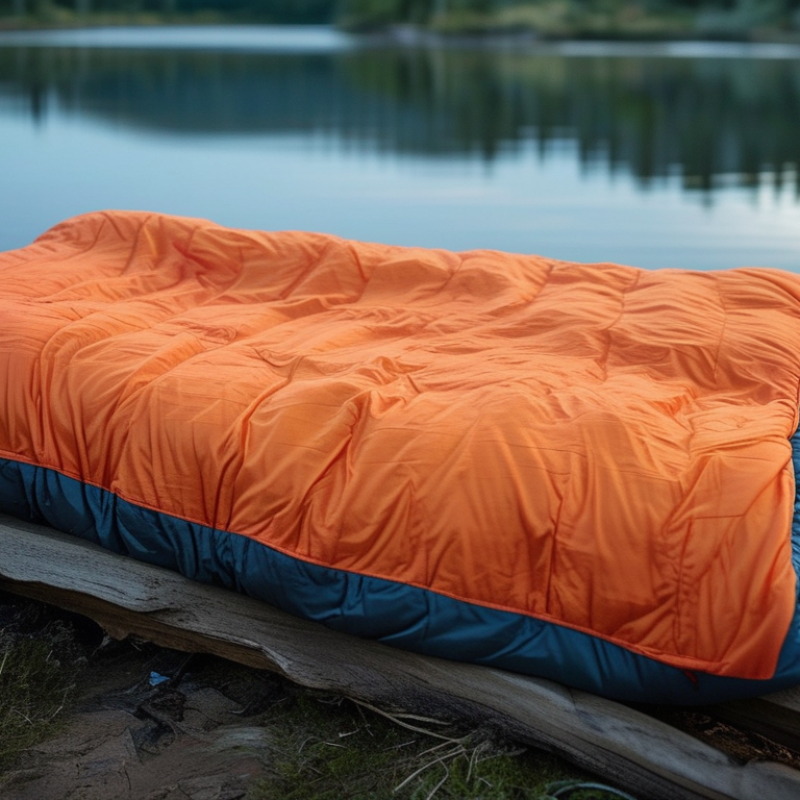
A sleeping bag blanket is a hybrid sleep system designed for outdoor rest and flexible comfort. It combines the enclosed warmth of a sleeping bag with the open feel of a blanket. Unlike a traditional sleeping bag, it can often open flat for sitting, sharing, or improving ventilation. The term is not perfectly standardized. Some designs resemble wide sleeping bags, while others use zippers around a rectangular quilt.
Its core feature is adaptable insulation. Synthetic or down-like filling traps warm air around the body, while a durable shell protects the insulation from light moisture and friction. A full-length zipper supports easy entry, temperature control, and complete opening. Some designs add a foot box, hood, or draft collar for colder conditions. These parts can improve warmth. They can also add weight and restrict movement. Water-resistant is not waterproof. That difference matters during damp nights.
When assessing a sleeping bag blanket, check its dimensions, insulation type, zipper layout, and temperature information. A broad cut feels less restrictive, but it may leave more air to warm. Temperature ratings are testing references, not personal guarantees. Your clothing, sleeping position, wind exposure, and ground insulation also affect comfort. In practical use, a simple design may perform better than one with many features. I sometimes prefer easier movement over maximum warmth, although that choice can feel wrong on a freezing morning. Feel the fabric and test the zipper before relying on it outdoors.
| Dimension | Typical Description or Data | Why It Matters |
|---|---|---|
| Definition | A sleeping bag blanket is a blanket-style sleeping bag designed to provide insulated coverage while allowing more freedom of movement than a traditional mummy-shaped sleeping bag. | It combines the warmth and portability of a sleeping bag with the open, flexible feel of a blanket. |
| Basic Shape | Usually rectangular or semi-rectangular, with a relatively wide interior and a full-length or partial side zipper. | The wider profile is comfortable for side sleepers and users who dislike restrictive footboxes. |
| Primary Function | Provides thermal insulation for sleeping outdoors, in tents, cabins, vehicles, or other cool environments. | The insulation helps reduce heat loss through trapped air within the filling. |
| Insulation Types | Common fillings include synthetic fibers such as polyester and natural down insulation. | Synthetic insulation generally dries faster and performs better in damp conditions, while down is often lighter and more compressible for its warmth. |
| Typical Temperature Range | Many blanket-style sleeping bags are designed for mild to moderate conditions, commonly around 5°C to 15°C (41°F to 59°F), although models vary widely. | The stated rating should be treated as a guide because comfort depends on clothing, sleeping pads, humidity, wind, and individual metabolism. |
| Shell Fabric | Typically made from lightweight woven nylon or polyester, sometimes treated with a water-resistant finish. | The shell protects the insulation from abrasion, dirt, and limited moisture exposure. |
| Lining Fabric | Common lining materials include polyester, nylon, or soft brushed fabrics. | The lining affects next-to-skin comfort, moisture management, and ease of cleaning. |
| Closure System | A zipper is the most common closure; some designs also include snaps, hook-and-loop fasteners, or drawcords. | A full-length zipper allows the bag to open flat and function as a conventional blanket. |
| Common Dimensions | Adult models are often approximately 190–220 cm (75–87 in) long and 75–100 cm (30–39 in) wide, depending on the design. | Length should accommodate the user's height, while width determines freedom of movement and compatibility with sleeping positions. |
| Typical Packed Weight | Many models weigh approximately 0.8–2.0 kg (1.8–4.4 lb), depending on insulation, fabric, size, and temperature rating. | Lower weight is useful for backpacking, while heavier designs may offer more space, durability, or warmth. |
| Packed Size | The packed volume commonly ranges from about 5 to 15 liters, with down generally compressing more than synthetic insulation. | A smaller packed size saves storage space and is particularly valuable when carrying equipment over long distances. |
| Key Comfort Feature | The open rectangular design provides more room for stretching, changing positions, and sharing space with a partner or child when the design permits. | Greater freedom of movement can improve comfort for indoor camping, casual outdoor use, and vehicle travel. |
| Weather Protection | Most sleeping bag blankets provide insulation but are not waterproof shelters. A tent, tarp, or bivy is still needed for protection from rain and wind. | Understanding this distinction prevents users from relying on the sleeping bag as their only outdoor weather barrier. |
| Best-Suited Uses | Car camping, summer camping, indoor sleepovers, cabins, festivals, emergency bedding, and recreational travel. | These applications benefit from comfort and versatility more than extreme cold-weather performance. |
| Main Advantages | Spacious interior, blanket-like versatility, easy entry and exit, and the ability to unzip and lie flat. | These features make the design comfortable and adaptable for a broad range of users and settings. |
| Main Limitations | The roomy shape usually retains less body heat than a close-fitting mummy bag and may be less suitable for cold or windy conditions. | Users planning cold-weather trips should prioritize the appropriate temperature rating, insulation quality, and a well-insulated sleeping pad. |
| Care and Storage | Follow the care label, dry the bag completely before storage, and store it loosely in a breathable storage sack when possible. | Proper care helps preserve loft, reduce odors, and extend the useful life of the insulation. |
Note: Dimensions, weight, packed volume, and temperature performance vary by construction, insulation type, size, and intended season. Always check the product's specific technical specifications before use.