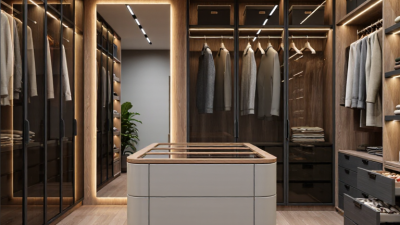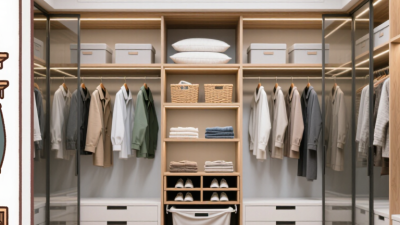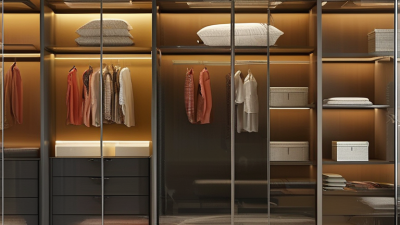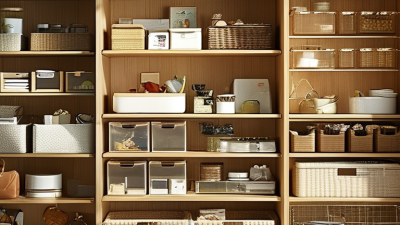
The best luxury closet ideas begin with how you actually dress, move, and organize each day. A beautiful room should feel effortless, not like a showroom you are afraid to use. Thoughtful planning combines personal experience, professional design principles, and durable materials. Measure your wardrobe carefully before choosing shelves, rails, drawers, or display cabinets. Otherwise, expensive storage may still waste valuable space.
Natural light can reveal colors accurately, while warm, adjustable lighting creates a calmer atmosphere at night. Soft-close drawers, full-height mirrors, velvet-lined trays, and pull-down hanging rails add comfort without unnecessary excess. Ventilation also matters, especially for leather, wool, and delicate fabrics. Humidity control can help protect clothing and accessories over time. Good design protects your investment.
The most reliable luxury closet ideas balance beauty, accessibility, and long-term maintenance. Use strong finishes, but consider how fingerprints, dust, and daily wear will appear. A pale lacquer may look elegant, yet it can demand frequent cleaning. A darker wood may feel warmer, but it can make a small room appear heavier. Light matters. Details matter.
Professional closet planners often recommend adjustable systems because lifestyles change. Today’s shoe display may become tomorrow’s folded-knitwear section. Leave room for growth, even if the space feels complete now. Perfection is unnecessary. The best closet reflects its owner, including practical habits that are not perfectly styled. With careful lighting, sensible storage, and honest evaluation, a luxury closet can become both a refined retreat and a dependable part of everyday life.
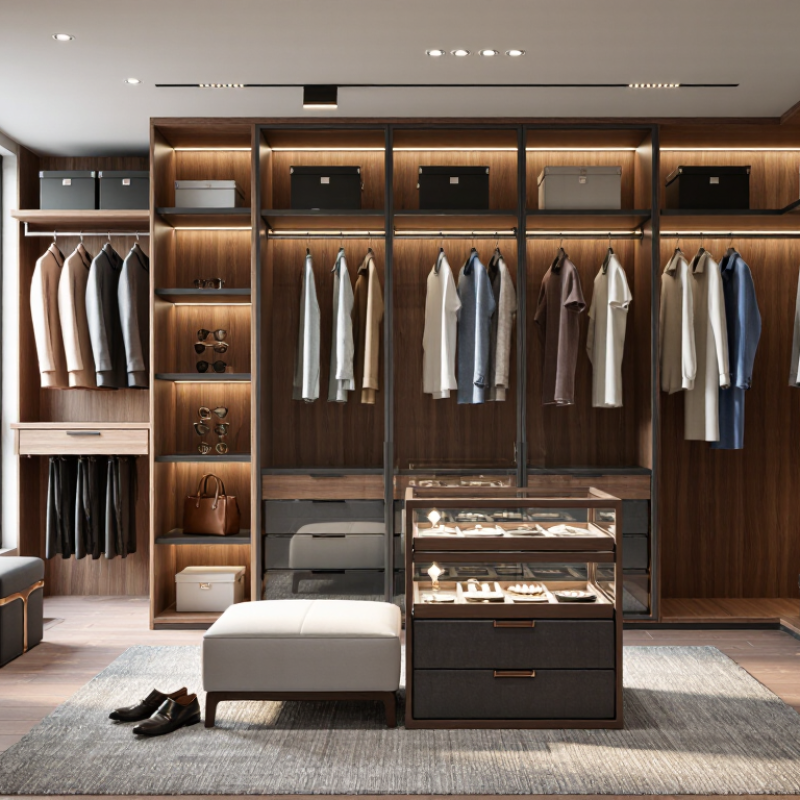
A luxury closet begins with thoughtful planning, not expensive decoration. Measure the room carefully, including doors, windows, ceiling height, and walking space. A professional designer can create accurate storage zones for hanging garments, folded clothing, shoes, accessories, and seasonal pieces. Every item should have a clear place. This reduces visual clutter and protects delicate materials.
Lighting changes the entire experience. Use soft ceiling lights, focused cabinet lighting, and a mirror near natural light when possible. Choose durable surfaces that resist moisture and scratches. Ventilation also matters, especially in enclosed rooms. Poor airflow can create unpleasant odors and damage fabrics over time. My first closet plan looked impressive but ignored comfortable movement. It felt more like a display case than a usable room. That mistake taught me to test every drawer and walkway before choosing decorative details.
Tips: Keep frequently worn clothing between waist and eye level. Use adjustable shelving for changing collections. Add a small seat for dressing, but protect the floor beneath it. Avoid filling every cabinet immediately; empty space makes the room calmer and easier to maintain. A lockable drawer may protect personal documents or valuable accessories, while clear labels improve daily efficiency. Luxury should feel effortless, although achieving that feeling requires practical decisions and regular editing.
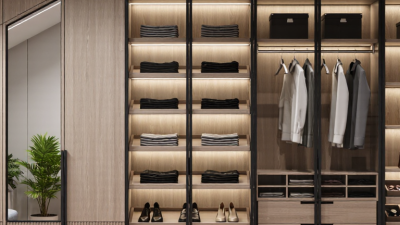
What Are the Best Luxury Closet Ideas?
A luxury closet begins with an accurate reading of the room, not an impressive wish list. Measure wall lengths, ceiling height, door swings, windows, vents, and walking clearance. I once planned generous hanging space but overlooked a radiator, forcing a costly redesign. That mistake still shapes my process. Draw the layout to scale before selecting finishes. Keep main aisles near 36 inches wide, and allow extra space where drawers open. Measure twice.
Plan around real wardrobe habits. Long garments need tall hanging zones, while folded knitwear needs shallow, stable shelving. Place frequently worn items between waist and eye level. Store seasonal pieces higher, but avoid placing heavy boxes overhead. A pull-out valet rod can hold tomorrow’s outfit without occupying the main walkway. Shoe shelves should allow ventilation and enough height for different footwear. Luxury should feel calm, not crowded.
Use vertical space carefully. Full-height cabinetry can increase capacity, but it may make a narrow room feel enclosed. Open sections create visual relief, although they require disciplined organization. Soft, even lighting helps reveal colors and prevents shadows inside drawers. Choose durable surfaces that tolerate daily handling and can be repaired locally. Include a seated surface if the room permits it. I would not sacrifice walking space for a dramatic island. That choice can look beautiful on paper and become frustrating every morning. Leave room for change. Wardrobes grow, preferences shift, and a perfect layout rarely stays perfect.
| Closet Layout | Useful Room Dimensions | Storage Plan | Best Suited To | Planning Detail |
|---|---|---|---|---|
| Single-wall walk-in | About 5 ft wide by 5–6 ft deep | One main run of hanging space, with shelves or drawers at the end | A compact spare room or a small walk-in closet | Allow roughly 24 in of depth for hanging clothes and keep a clear path in front of the storage. |
| Reach-in with organized zones | Commonly 24 in deep; width varies with the available wall | Upper shelf, hanging rail, and a mix of short-hang and long-hang sections | A bedroom closet where floor space is limited | Sliding or hinged doors can be selected according to the room’s circulation and furniture placement. |
| U-shaped walk-in | About 7 ft wide by 7 ft deep or larger | Storage on three walls, with hanging, folded-clothing shelves, and drawers | A larger wardrobe with varied clothing and accessory needs | Keep a comfortable aisle between opposing storage runs; around 36 in is a useful starting point for a one-person aisle. |
| Two-sided galley | About 6 ft wide or more, depending on storage depth and aisle needs | Parallel storage runs for hanging clothes, shoes, and folded items | A long, narrow room shared by two people | Check the remaining aisle width after accounting for shelves, drawer fronts, and any doors that swing into the space. |
| Island-centered dressing closet | Often 10 ft by 10 ft or larger, depending on island size | Perimeter hanging and shelving, plus an island for drawers or accessories | A spacious dressing room with enough floor area for circulation | Plan clear walkways around the island and make sure drawers can open without blocking the main route. |
| Wardrobe-focused layout | Any footprint; allocate space according to actual garment counts | More double-hang sections for shirts and trousers, with dedicated long-hang space for dresses and coats | A wardrobe dominated by everyday clothing or formalwear | Measure longer garments and group items by type before setting rail heights and section widths. |
| Accessory and shoe gallery | Can be integrated into a walk-in or reach-in closet | Adjustable shoe shelves, shallow drawers, and visible compartments for bags and accessories | A collection with many shoes, bags, jewelry, or small accessories | Use adjustable shelving to accommodate different shoe heights and leave enough depth for the items being stored. |
| Shared closet with separate zones | Size depends on the combined wardrobe and available room | Clearly assigned sections, shared shelves, and separate drawers or accessory storage | Two people with different clothing types or storage preferences | Divide space by measured wardrobe volume rather than assuming each person needs identical storage. |
Planning note: Dimensions are practical starting points, not building-code requirements. Confirm clearances, door swings, ceiling height, and the actual size of garments and storage items before finalizing a layout.
What Are the Best Luxury Closet Ideas?
A luxury closet begins with materials that feel excellent and survive daily use. Select rift-cut oak, walnut veneer, or sustainably sourced timber for warmth. Veneer can outperform solid wood when humidity changes. That detail is often overlooked. Pair timber with powder-coated aluminum for lighter, cleaner shelving frames. Use low-VOC lacquers and adhesives where possible. The U.S. Environmental Protection Agency reports that indoor pollutant levels can exceed outdoor levels. Air quality matters in a tightly enclosed closet.
Finishes should support both touch and maintenance. Satin surfaces hide fingerprints better than high-gloss panels. Brushed metal creates quieter visual texture than polished chrome. For drawers, specify full-extension runners, soft-close action, and tested weight ratings. Hardware should feel precise, not merely decorative. The 2024 U.S. Houzz & Home Study reported a median $75,000 spend for major kitchen renovations. This suggests homeowners increasingly fund detailed, long-term interiors. Still, expensive materials cannot rescue poor planning. I would question any design that sacrifices circulation for visual drama.
Tips: Place frequently worn clothing between waist and eye level. Add warm, dimmable lighting beneath shelves. Choose durable leather, metal, or timber pulls. Test samples beside your flooring and daylight. Ask for finish warranties and maintenance instructions. One practical mistake remains common: ignoring future storage needs. Leave some adjustable space. Clothes change.
Material density is a useful objective reference when comparing closet components. Solid wood and MDF provide visual warmth and stability, while aluminum and stainless steel are denser options commonly suited to structural frames, drawer runners, handles, and hanging hardware. Density does not equal quality by itself; finish durability, joinery, corrosion resistance, and precise installation are also essential to a luxury result.
Approximate typical densities in kg/m³; actual values vary by species, alloy, moisture content, and manufacturing process.
A luxury closet should make daily dressing feel calm, not complicated. Tailored storage begins with an honest inventory of clothing, shoes, bags, and accessories. Grand View Research projects the global custom closet market to grow at about 7.2% annually through 2030. That growth reflects a practical need for storage designed around real habits. Measure hanging garments first. Then plan shelves, drawers, and open compartments around them. Double-hang rails suit shirts and trousers, while taller sections protect coats and dresses. Soft-close drawers keep jewelry, belts, and watches visible without creating clutter.
Tips: Keep frequently worn items between waist and eye level. Use shallow drawers for folded accessories. Add warm, even lighting inside cabinets. Leave at least 10% spare capacity, because wardrobes rarely stay fixed. A small valet rod can hold tomorrow’s outfit beside the mirror. It sounds minor. It saves time.
Materials should feel refined but remain durable. Moisture-resistant panels, strong drawer runners, and rounded edges improve long-term use. The National Association of Home Builders’ buyer-preference research consistently places walk-in storage among highly valued home features, yet larger does not always mean better. A poorly planned room can still waste corners and hide forgotten pieces. In practice, I would question every open shelf: does it display something useful, or only invite dust? Even luxury storage needs revision. Trends change, bodies change, and imperfect routines remain part of the design.
A luxury closet feels refined when its lighting works in layers, not just at one bright setting. Start with soft ceiling illumination for overall visibility. Add vertical lights near shelves to reveal fabrics, textures, and color accurately. Under-shelf strips can brighten folded clothing without creating harsh shadows. Choose high color-rendering light sources, ideally with a color rendering index above 90. This helps cream, navy, and black garments appear closer to their true tones.
Personal details make the space feel lived-in rather than staged. A slim valet rail can hold tomorrow’s outfit. A shallow drawer may display watches, scarves, or carefully folded belts. Use one framed photograph, a small vase, or a tray with sentimental value. Keep the selection edited. Too many decorative objects can interrupt the calm. I once added excessive warm lighting to a dressing area, and the room looked elegant but made clothing colors unreliable. It needed correction.
Tips: Install dimmers for morning, evening, and cleaning modes. Place lights slightly forward, not directly behind you. Test the space with white, dark, and patterned garments. Leave some empty shelf space; restraint often looks more expensive. Check whether every corner is useful, not merely beautiful. A minor flaw may remain. That is acceptable if the closet still feels comfortable, practical, and personal.