How to Choose the Best Closet Design Trends

Closet design trends can make a wardrobe feel calmer, brighter, and easier to use. But a beautiful photograph does not show how a closet handles Monday mornings, winter coats, or a growing shoe collection. The best design starts with your actual habits. Notice what hangs, what folds, and what gets left on the floor. Small details matter: a drawer that opens fully, a shelf within easy reach, and lighting that shows clothing colors clearly.

Organizing consultant Marie Kondo offers a useful guiding question: “The question of what you want to own is actually the question of how you want to live your life.” That idea applies to closet design, too. Before choosing glass doors, open shelving, or a built-in island, consider what deserves space in your daily routine. A trend should solve a real problem, not create another surface to keep tidy.

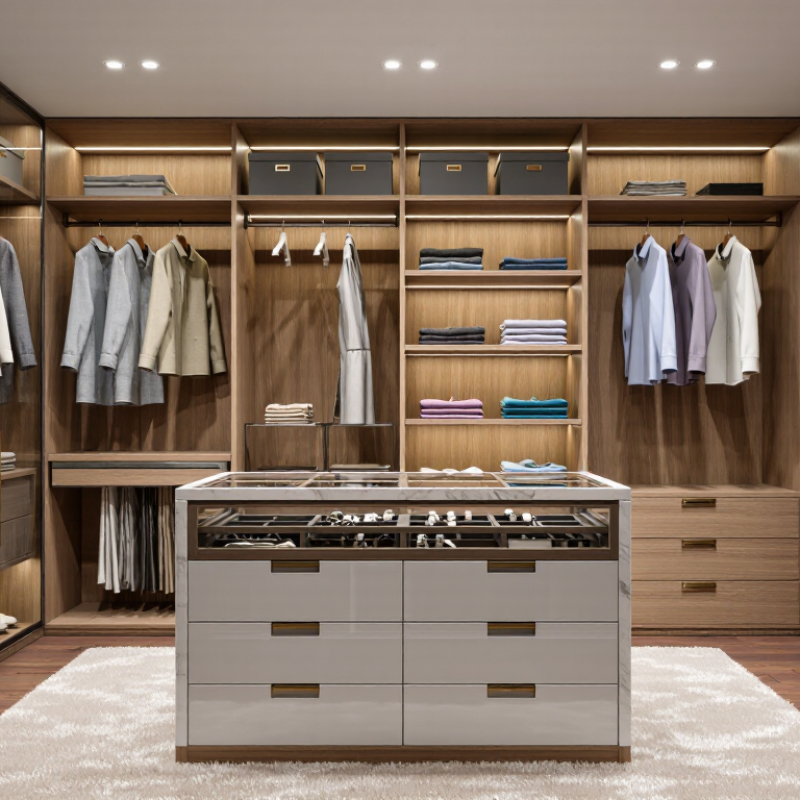
This guide explores popular closet design trends and how to judge them for your home. We’ll look at materials, storage layouts, lighting, and flexible features, with attention to room size and budget. Some fashionable choices may not suit every household. That is worth admitting. A display shelf can look elegant, yet collect dust; an open rail can simplify dressing, yet reveal clutter. The right choice is the one you can live with—not just admire.
How to Choose the Best Closet Design Trends

Assess Your Storage Needs and Room Dimensions

Before following a closet trend, measure the room and list what you actually store. Note the width, depth, and ceiling height, then mark door swings, windows, outlets, and baseboards. These details can quietly limit where shelves and drawers fit. A layout that looks spacious online may feel cramped beside a bedroom door.

Tips: Measure twice, including the closet opening. Count long coats, folded clothes, shoes, and bags. Leave enough space to reach drawers without bumping into the bed. Small details matter.

Think about daily routines, not just visual appeal. If you dress in a hurry, open shelves may make frequently worn items easier to see. If clutter bothers you, closed drawers can help, though they still need enough depth for practical use. Check hanging space for the longest garments, and reserve reachable shelves for everyday items. I used to assume one extra shelf would solve everything; it mostly made things harder to access. That is worth reconsidering. Sketch a simple plan with measurements before choosing finishes or built-in features. A little empty space can also be useful when storage needs change.
Compare Closet Layouts and Current Design Trends

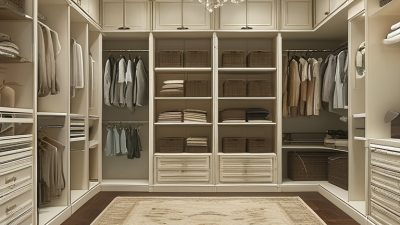
Choosing a closet layout starts with the room, not a trend photo. A reach-in closet often works well in a narrow bedroom, where sliding doors can preserve walking space. Double-hang rods make better use of vertical room for shirts and trousers. A walk-in offers more access, but only if there is enough clearance to move comfortably. Measure the door swing, shelves, and hanging clothes before committing.

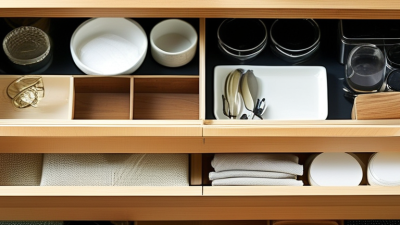
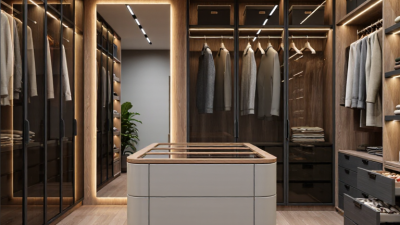
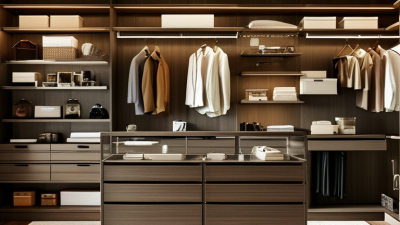
Current designs often pair warm wood tones with open shelves, clear drawers, and simple lighting. Open storage looks airy. It also shows dust and clutter more readily than closed cabinets. If you share the closet, separate hanging zones can reduce daily mix-ups; a shallow drawer unit may fit better than a wide island. Trends favor integrated lighting, but place fixtures where they illuminate shelves without shining directly into your eyes.

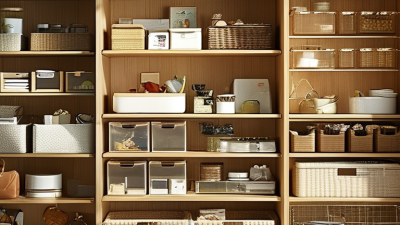
Compare the layout with your actual routine. Long coats need uninterrupted hanging space, while folded sweaters need shelves that are not too deep. A full-height shoe wall can look polished, yet it may waste space if you own only a few pairs. I like the clean look of matching containers, though measuring every item first can feel fussy. It is still worth checking: a box that barely fits may make a frequently used shelf frustrating. Keep a small area flexible for seasonal pieces or changes in your wardrobe.

Evaluate Materials, Finishes, Lighting, and Hardware

How to Choose the Best Closet Design Trends

Evaluate Materials, Finishes, Lighting, and Hardware

A closet should feel calm to use, not merely attractive in a photograph. Choose materials for the room’s conditions: solid wood can be refinished, while quality composite panels often offer a steadier budget. In humid spaces, ask how exposed edges and shelves resist moisture. Finishes matter, too. Matte surfaces soften glare, but pale, textured finishes may show dust or scuffs. Request a sample and inspect it beside your flooring, both in daylight and under evening lights.

Lighting and hardware deserve equal attention. The U.S. Department of Energy’s Energy Saver guidance says LEDs use at least 75% less energy and can last up to 25 times longer than incandescent bulbs. Use that efficiency thoughtfully: a bright ceiling fixture may still leave a shadow inside deep shelves. Add well-positioned task lighting, and check that doors do not block it. Test drawer slides and hinges with a loaded drawer; a quiet, smooth close is more useful than decorative hardware that catches sleeves. I still find finish samples can mislead—large installed surfaces often look different.

Tips: Put lighting near the front of shelves to reduce shadows. Choose handles you can grip comfortably. Compare samples at home before ordering, and check that the finish is easy to clean.

Match Design Options to Your Budget and Lifestyle

Choose closet trends around your daily routine, not a showroom photo. Count long garments, folded clothes, shoes, and items you reach for every morning. A household with children may need low hooks and adjustable shelves; someone with limited mobility may benefit from reachable drawers and clear floor space. Small details matter. A shelf that looks elegant but sits too high can become wasted space.

Set a firm budget before choosing finishes. The 2024 Houzz & Home Study reported a median U.S. home-renovation spend of $24,000 in 2023, up from $22,000 in 2022. That figure covers renovations broadly, not closet projects, so use it as context rather than a closet price guide. For a tighter budget, prioritize sturdy adjustable shelving and useful lighting; add custom drawers or premium finishes only where they solve a real problem. Measure carefully. Even a polished plan can overlook a bulky winter coat or a laundry basket.

Trends like warm wood tones and open shelving can make a closet feel inviting, but they also affect upkeep. Open shelves show dust and visual clutter; doors hide both, at least until they are opened. Consider how much time you want to spend tidying. Leave some room for change, too: wardrobes shift, and fixed compartments can feel restrictive later. A beautiful layout is not automatically a practical one.

How to Choose the Best Closet Design Trends: Match Design Options to Your Budget and Lifestyle

Typical closet storage depths help you plan a practical layout before choosing finishes or upgrades.

How to use this: Hanging clothes generally need the deepest space, while folded items and shoes can fit on shallower shelves. For a tighter budget, prioritize correctly sized hanging and shelf zones before adding custom drawers or decorative finishes. These are approximate planning dimensions, not building-code requirements; check your garments, hardware, and available space.

Plan Installation and Allow for Future Flexibility

Plan the closet around installation conditions, not just a polished drawing. Measure wall width, ceiling height, door swing, and baseboard depth at several points; older homes are rarely perfectly square. Mark studs and locate outlets before choosing rail positions. For wall-mounted systems, confirm that the fasteners and wall structure can safely carry the expected load. A neat plan can still miss a bulky winter coat or an awkward corner.

Flexibility matters as household needs change. AARP’s 2024 Home and Community Preferences Survey found that 75% of adults aged 50 and older want to remain in their homes as they age. Adjustable shelves, movable hanging rails, and a reachable drawer can make a closet easier to use over time. Leave a little open space for future changes. It may look underfilled at first, but that is often more useful than building every inch around today’s belongings.

Tips: Keep a simple measurement sketch, including outlet and stud locations. Before installation, test shelf heights with the actual shoes, bins, or folded clothes you plan to store. Recheck clearances after doors and drawers are fitted; small obstructions are easy to overlook.

How to Choose the Best Closet Design Trends — Plan Installation and Allow for Future Flexibility

Design Feature What It Offers Planning and Installation How to Keep It Flexible Best Fit
Adjustable shelving Shelves can be repositioned to accommodate folded clothing, bags, or storage bins of different sizes. Confirm shelf depth and support requirements; locate standards or mounting points securely in wall framing where applicable. Choose a system with multiple adjustment positions and leave spare holes or rails available for later changes. Closets with changing storage needs or items in varied sizes.
Double-hang sections Two hanging levels use vertical space efficiently for shirts, trousers, and other shorter garments. Measure the garments and available wall height before setting rod positions; allow practical clearance above and below each rod. Keep one section with a single rod or adjustable hardware so longer garments can be accommodated later. Closets with many short garments and adequate ceiling height.
Long-hang section Provides uninterrupted vertical space for dresses, coats, and other full-length items. Measure the longest items that will be stored and check that the rod and floor area remain accessible after installation. Use a removable or repositionable rod where practical, rather than dedicating the entire closet to fixed long-hang storage. Wardrobes that include longer clothing or seasonal outerwear.
Drawers and pull-out storage Keeps smaller items contained and makes frequently used contents easier to reach. Check drawer depth, door clearance, and the space needed to open drawers fully before finalizing the layout. Mix drawers with open shelves, or select modular units that can be moved or replaced as storage priorities change. Closets used for accessories, folded clothing, or personal items.
Open, low-visual-weight shelving Creates an accessible layout and makes stored items easy to see. Plan for dust exposure and avoid placing frequently used items on shelves that are difficult to reach safely. Use baskets or bins that can be changed without altering the built-in structure. Closets where visibility and quick access matter more than concealed storage.
Dedicated shoe storage Organizes footwear and helps keep pairs together and off the closet floor. Measure typical shoe sizes and check shelf spacing, depth, and access to the closet doorway. Use adjustable shelves or a combination of shelves and open floor space for boots and larger footwear. Households with multiple pairs of shoes or limited entryway storage.
Integrated lighting Improves visibility inside deep or poorly lit closets. Plan fixture locations, switching, and electrical work before shelves and panels are installed; use a qualified professional where wiring is required. Keep lighting components accessible for maintenance and avoid placing shelves where they block the light source. Walk-in closets, deep storage areas, or rooms with limited natural light.
Modular or freestanding components Can simplify assembly and make storage sections easier to reconfigure than fully fixed cabinetry. Check floor level, wall conditions, overall dimensions, and any required anti-tip anchoring before installation. Choose compatible modules and leave enough room for future additions or layout adjustments. Rentals, evolving households, or spaces where a fully fixed installation is not preferred.
Combination of open and closed storage Balances quick-access storage with concealed space for less-used or visually busy items. Place frequently used items in the easiest-to-reach zones and confirm that doors do not obstruct pathways. Use movable bins and adjustable shelves so the balance can shift as needs change. Closets used for both everyday essentials and seasonal storage.

Planning tip: Before installation, measure the closet’s width, height, depth, door swing, and obstructions such as baseboards or outlets. Prioritize adjustable components in areas most likely to change over time.

1 5